Salesforce Announces Another Huge Round of Layoffs in 2026



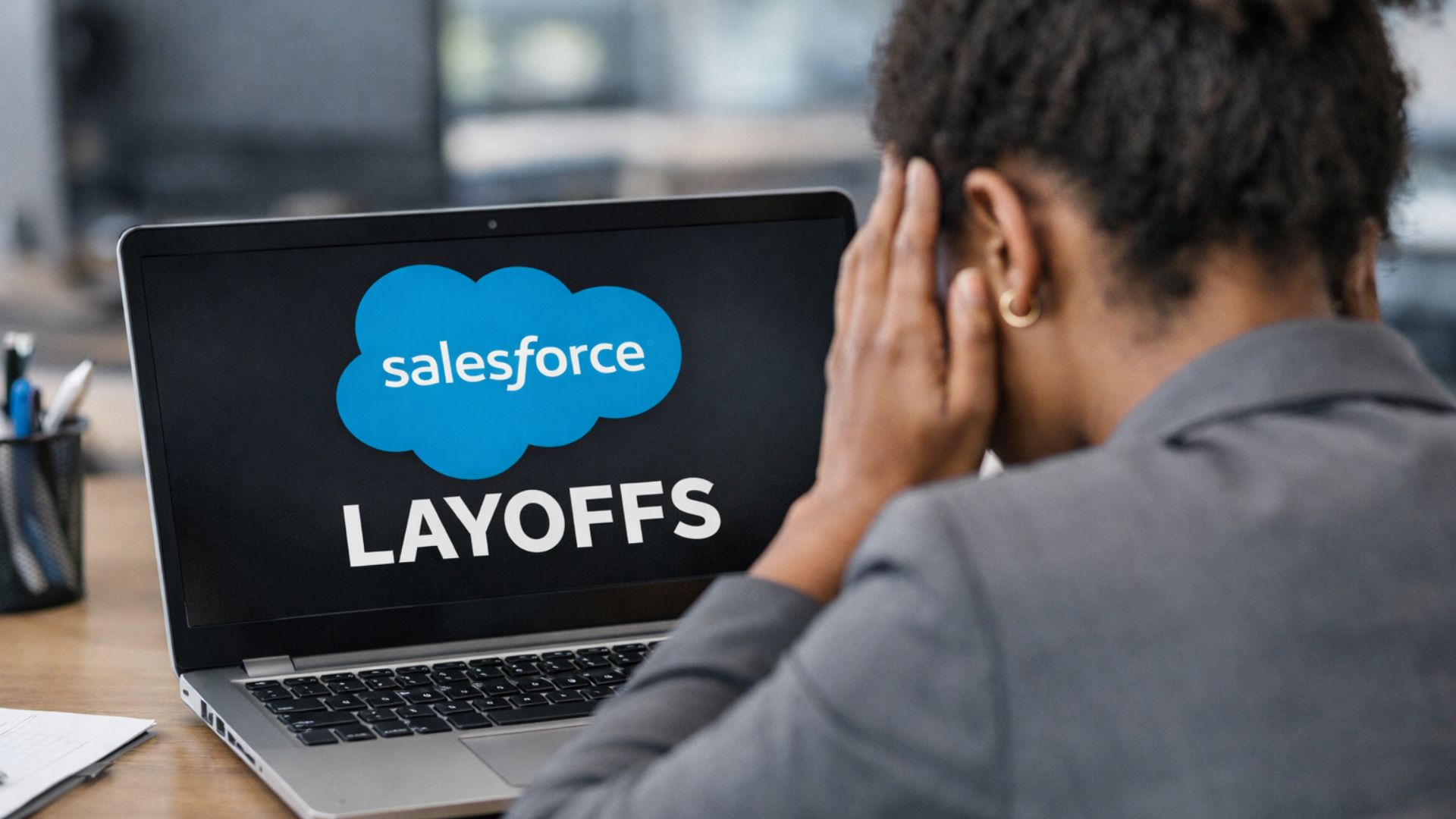
Salesforce quietly laid off workers on 10 February 2026, cutting fewer than 1,000 roles across multiple departments.
We are still awaiting a formal announcement from the company, but multiple employees have confirmed that their roles have been eliminated.
Which Salesforce Departments are being laid off in 2026?
This comes at a critical time for Salesforce, which is simultaneously undergoing a major leadership transformation and betting its future on AI.
The latest round of layoffs hits marketing, data analytics, and even its flagship AI product teams.
And this isn’t Salesforce’s first round of layoffs recently. In August last year, CEO Marc Benioff revealed that the company had cut 4,000 customer support roles, bluntly stating the company needed fewer employees as it deployed AI agents to handle support tasks.
Workday also announced layoffs affecting 400 employees on February 4, 2026. The cuts also mainly hit customer support roles within Global Customer Operations, focusing on non-revenue positions. It’s a clear sign that even software companies are tightening costs amid restructuring.
Salesforce was already down from 9,000 to 5,000 headcount last year.
At that time, Benioff revealed that he is looking at "every single function" at Salesforce to see where AI can replace humans. AI already handles 30% to 50% of work at Salesforce, according to the CEO. Now, finally, he found his new targets.
What makes this more interesting news is that even teams working on Agentforce were not spared. Agetforce is the company’s flagship AI product that CEO Benioff has positioned as central to Salesforce’s future. He even jokingly said he might rename the company to Agentforce.
Benioff has been particularly vocal about this shift, stating publicly that Agentforce and other AI technologies have increased engineering team productivity by more than 30%, reducing the need for new software engineer hires.
But overall, the irony is hard to miss here. Literally, the employees who were building AI tools designed to automate work were themselves affected.
Executives Exodus Before
The layoffs coincide with a dramatic executive shake-up at Salesforce. The company has appointed new leaders to replace some high-profile executives who recently announced departures.
While executive turnover is common at companies of Salesforce’s size, losing multiple senior leaders in just 3 months has raised eyebrows across the tech industry.
This clearly shows that the company is going through a major transition. Leadership changes suggest the company wants fresh direction for 2026 and beyond. But what’s certain is that Salesforce, like many tech giants, is betting its future on AI.
Bottom Line
But all this is not limited to Salesforce. Job cuts are part of a larger trend sweeping through corporate USA in 2026. Companies across multiple sectors are streamlining operations amid the rising adoption of AI tools.
Amazon, for example, announced in January that it was reducing 16,000 roles worldwide. Pinterest laid off 15% of the team, and even news organizations like The Washington Post have to let go of 33% of their staff.
What This Means for Your Job Search Strategy
Tech layoffs have reshaped the hiring market, but demand for engineers and product professionals who can work alongside AI tools remains strong at companies actively building in the AI space. If you are affected by cuts at Salesforce or concerned about similar moves, this is the time to sharpen your positioning.
Update your portfolio to show projects where you used AI tools to increase output, reduce cycle time, or solve a meaningful problem. This matters more than credentials or tenure. Hiring managers at AI-first companies want to see evidence of adaptability, not just years of experience.
Target companies that are actively building, not just maintaining, and tailor every application to the specific team and product. A brief, specific note explaining exactly why you want to work on that team converts far better than a generic application.
Prepare before interviews begin, not during them. Tools like Interview Copilot give you real-time coaching during actual interviews, and running a practice round with AI mock interview practice helps you sharpen your answers under pressure. In a tight market, preparation is the one variable entirely within your control.
What Affected Employees Should Do Next
Job losses at this scale disrupt more than income. They disrupt routine, identity, and confidence. Acting quickly and strategically in the first few weeks after a layoff makes a measurable difference in how fast you land your next role.
Update your resume within the first week. Highlight specific accomplishments with metrics: revenue generated, costs reduced, projects shipped on time. Avoid vague phrases like "responsible for" and replace them with action verbs that show ownership. A strong resume clears automated filters and gives recruiters a concrete reason to call.
Reach out to your network before you start applying broadly. Former managers, colleagues, and professional contacts can flag open roles, provide referrals, or make warm introductions to hiring managers. These connections bypass the applicant tracking systems that screen out most cold applications.
Prepare your interview story now, not after you get a callback. Hiring managers will ask why you left, what you accomplished, and how you handle adversity. Practice your answers until they feel natural. interview preparation resources provides real-time feedback during practice sessions so you can refine your responses before they count.
Connect with others navigating the same transition through the AI Resume Builder to share job leads, get feedback on your applications, and stay accountable during a job search that can otherwise feel isolating.
Frequently Asked Questions
What should you do immediately after being laid off?
Update your resume and LinkedIn right away. File for unemployment benefits in your state within the first week. Reach out to your professional network to let people know you are looking. Start with companies you already have connections at because referrals significantly increase hiring odds. Use the first two weeks to gather references and organize your job search.
How long does it typically take to find a new job after a layoff?
The timeline varies by industry and role level, but most professionals find a new position within two to four months. Senior roles often take longer, around three to six months. Staying active with daily applications, interviews, and networking shortens this window. Using AI-assisted tools like the AI interview coaching Interview Copilot can help you prepare faster for each opportunity.
Does being laid off affect your chances in future job interviews?
Layoffs are common and hiring managers understand that. Being transparent about a company-wide reduction does not hurt your application. What matters is how you frame the experience. Focus on what you contributed, what you learned, and what you are looking for next. Avoid criticizing the former employer and stay factual about why the position was eliminated.
Should you negotiate severance after a layoff?
Yes, severance is often negotiable. Review what the company offers against your tenure and contribution level. You can ask for additional weeks of pay, extended health insurance, or outplacement services. Having an employment attorney review the severance agreement before signing is worthwhile if the package is large or contains non-compete clauses.
Table of Contents
Related articles
McKinsey Plans 10% Layoffs Affecting Thousands Because of AI
McKinsey plans 10% workforce cuts in 2026 as AI automates support roles, putting thousands of employees at risk in the biggest consulting industry shake-up in decades.

Elastic Cuts 7% of Its Workforce as AI Reshapes Operations
Elastic is laying off roughly 300 employees as AI drives a major restructuring across engineering and operations.

Morgan Stanley Lays Off 2,500 Employees Globally
Morgan Stanley is cutting 2,500 jobs worldwide across divisions as it adjusts to new business and tech shifts.
Highest Paying AI Jobs in the UK: 2026 Guide
The highest paying AI jobs in the UK in 2026: hedge funds (Citadel, Jane Street) at GBP 200,000 to 300,000+, DeepMind research scientists at GBP 210,000 to 290,000, and senior ML engineers at GBP 120,000 to 180,000. Covers salary bands, key employers, and how to get hired.