Despite Tech Layoffs, Deloitte To Add 50,000 Jobs in India



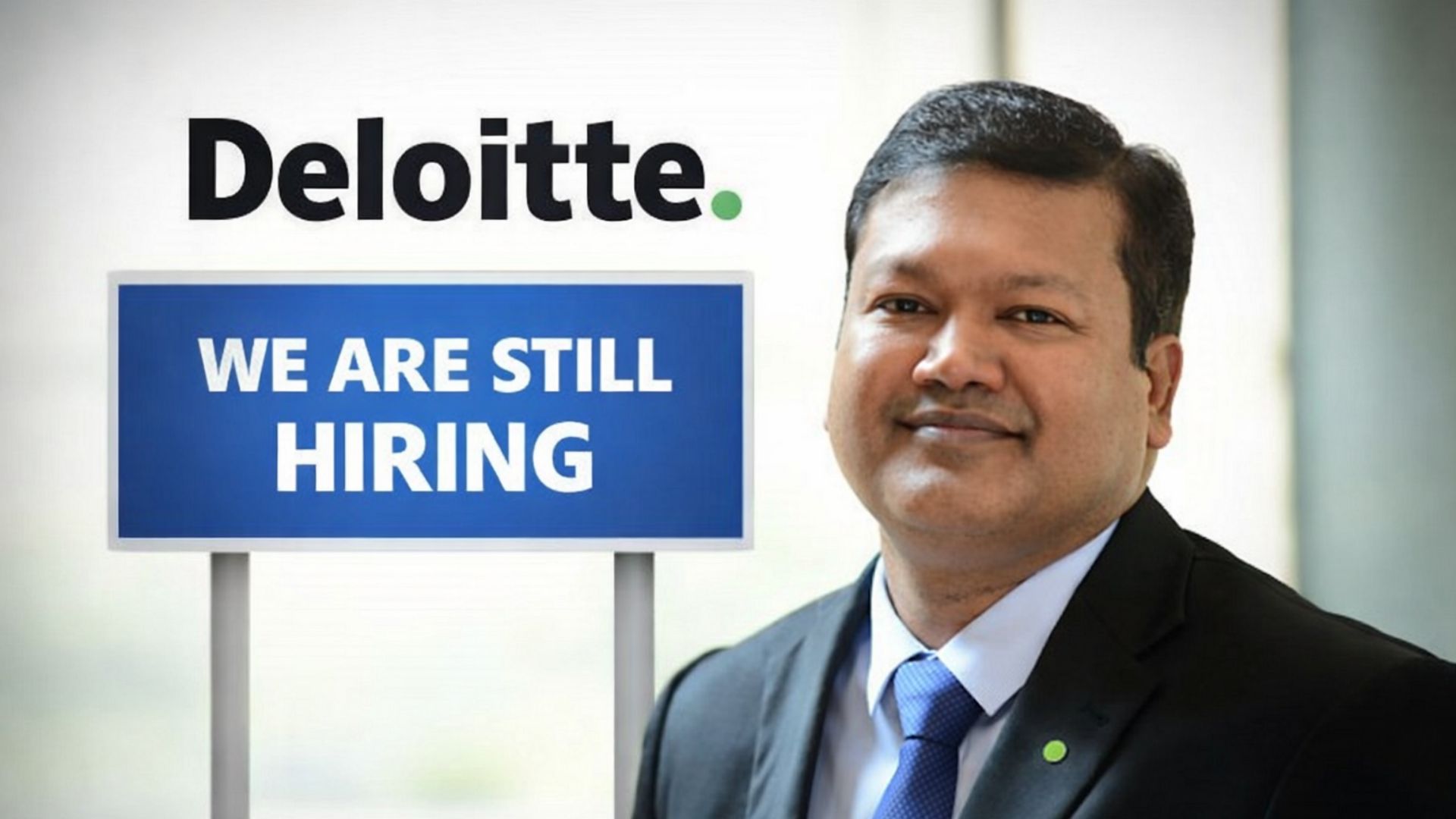
When one of the world's most powerful consulting firms announces it will add thousands of jobs to a single country, the world pays attention. That is exactly what Deloitte has done.
Deloitte’s Plan to add 50,000 Jobs in India is still Intact
Each week, we get news about huge layoffs in the tech sector. The reports also indicate that India will be hard hit by the AI. Just a few days ago, Oracle cut 12,000 jobs in India.
But on the other hand, Deloitte is investing heavily in India.
In January, Deloitte South Asia CEO Romal Shetty announced at TiEcon Mangaluru 2026, revealing plans to hire 50,000 additional employees on top of its existing headcount of 140,000 people in India.
To put that in perspective, this single hiring wave would represent a workforce larger than most mid-sized companies in India.
Shetty noted that one in every four Deloitte employees worldwide is already based in India, and he is not done. His goal is to push that ratio further: he expects one out of every three employees in Deloitte's global network to be Indian within the next three years.
In a new Interview with PTI, he confirmed the plan is still intact. When asked about how ae they are in a hiring spree when everyone else is restructuring, he said:
“I know in the context of AI, GenAI, people always think that we are going to disintermediate some layer? Uh, well, that's not how we think.
I mean, you know, we always think that some efficiencies are going to get unlocked across the layer.
We have had the opportunity to train almost 30,000 of our people, 20,000 people, on the way we are changing our gears to work with a lot more in-house built platform technologies, etc.
So, we are upskilling folks.”
Basically, the CEO is saying that AI isn’t going to replace people at Deloitte, but it’s going to change how they work.
He clearly says that instead of cutting jobs, they believe AI will make work more efficient. In simple terms, people will still be needed, but their tasks will become faster, smarter, and more valuable.
For that, they have trained around 30,000 employees (with more in progress) to work with AI and new in-house technologies. That means employees are learning how to use AI tools, not compete against them.
The key idea here is upskilling.
Rather than hiring people and leaving them behind as technology changes, Deloitte is actively helping its workforce grow with AI.
In the full interview, he discusses the company's strategic outlook on AI, talent, and digital infrastructure in India:
How is Deloitte Preparing for AI Changes?
When asked about how Deloitte will manage so many new players and what their actual reasoning is behind the mass hiring, Shetty replied, explaining the strategy:
“The way I think is in this era of new tech coming into play, you will have people who will be involved in multiple things.
One is that people have to keep the lights on while the change happens.
Second, we will have people who will be helping our clients negotiate the journey of AI, GenAI, etc.
Third is, of course, problems that could have previously not been solved because people were otherwise stuck in the mundane, or the processing power wasn't there, or the kind of intelligence wasn't available at a fingertip or at a price point.
It is about upskilling and making sure that, I mean, you know, we can solve higher-order value problems with the emerging tech. So, that's how I see it.”
So, let’s break it down.
First, he talks about people “keeping the lights on.” That simply means some employees will continue handling essential day-to-day operations. Even with all the new tech coming in, businesses still need people to manage systems, maintain services, and ensure everything runs smoothly.
Second, there’s a growing role for people who guide others through change. Companies don’t automatically understand how to use AI effectively. So, professionals will step in as advisors. This creates a whole new layer of jobs focused on strategy, consulting, and implementation.
Third, and probably the most exciting part, is solving problems that weren’t possible before. Earlier, people were stuck doing repetitive tasks, or technology simply wasn’t powerful or affordable enough.
Now, with AI, those limitations are fading. That frees people to focus on bigger, more complex challenges that require creativity, critical thinking, and innovation.
A new Quantum Centre of Excellence is also slated for launch in India to spearhead research in advanced computing and cybersecurity.
Bottom Line
Deloitte's expansion is not happening in a vacuum. It is part of a much larger shift in how global companies view India.
The talent math also favours India. India's demand for AI talent is projected to grow from 600,000–650,000 to more than 1,250,000 between 2022 and 2027, with the AI market expected to grow at 25–35% annually. Deloitte is positioning itself to capture that growth before competitors do.
Overall, Deloitte's 50,000-hire announcement is one of the most significant workforce commitments made by a global firm in India in recent memory. You can learn more about Deloitte’s interview process here.
Many candidates use interview AI assistant to prepare for questions exactly like these.
Frequently Asked Questions
Why is Deloitte hiring 50,000 workers in India during a global tech layoff period?
Deloitte is expanding its India workforce to access highly skilled talent at competitive costs, build out AI and analytics delivery centers, and meet growing demand for enterprise consulting and technology services in the Asia-Pacific region. India's large pool of STEM graduates, English proficiency, and established professional services infrastructure makes it a strategic hiring hub for global firms.
What roles is Deloitte hiring for in India in 2026?
Deloitte's India expansion focuses on technology consulting, AI and data analytics, cybersecurity, cloud engineering, and business process outsourcing. The firm is also growing its audit and risk advisory practices. Entry-level roles in these areas are especially abundant, making India one of the strongest markets for fresh graduates and early-career professionals in 2026.
How competitive is the Deloitte India interview process?
Deloitte India's interview process typically includes an aptitude assessment, a technical or case interview, and a behavioral interview focused on leadership and problem-solving. For consulting roles, case preparation is essential. Practicing with AI interview tools, reviewing Deloitte's published frameworks, and preparing clear examples of analytical projects significantly improves success rates.
Should Indian tech workers worried about global layoffs consider Deloitte?
Yes. Deloitte's planned 50,000-person expansion in India represents a meaningful counter-trend to global tech layoffs. Candidates with consulting, AI, and data skills who might be exposed to layoffs at pure-play tech companies can find stability and structured career growth at large professional services firms like Deloitte, EY, and KPMG that are expanding their India delivery centers.
Table of Contents
Related articles
41% of Tech Hiring Now Lists AI as a Must-Have Skill
New data shows 41% of tech job openings now list AI as a must-have skill, highlighting how fast hiring priorities are shifting.

120,000 Jobs Cut by Small US Companies Raise Alarms
Small US companies cut 120,000 jobs in November, signaling growing pressure on the labor market. Learn what the ADP report reveals about hiring trends.
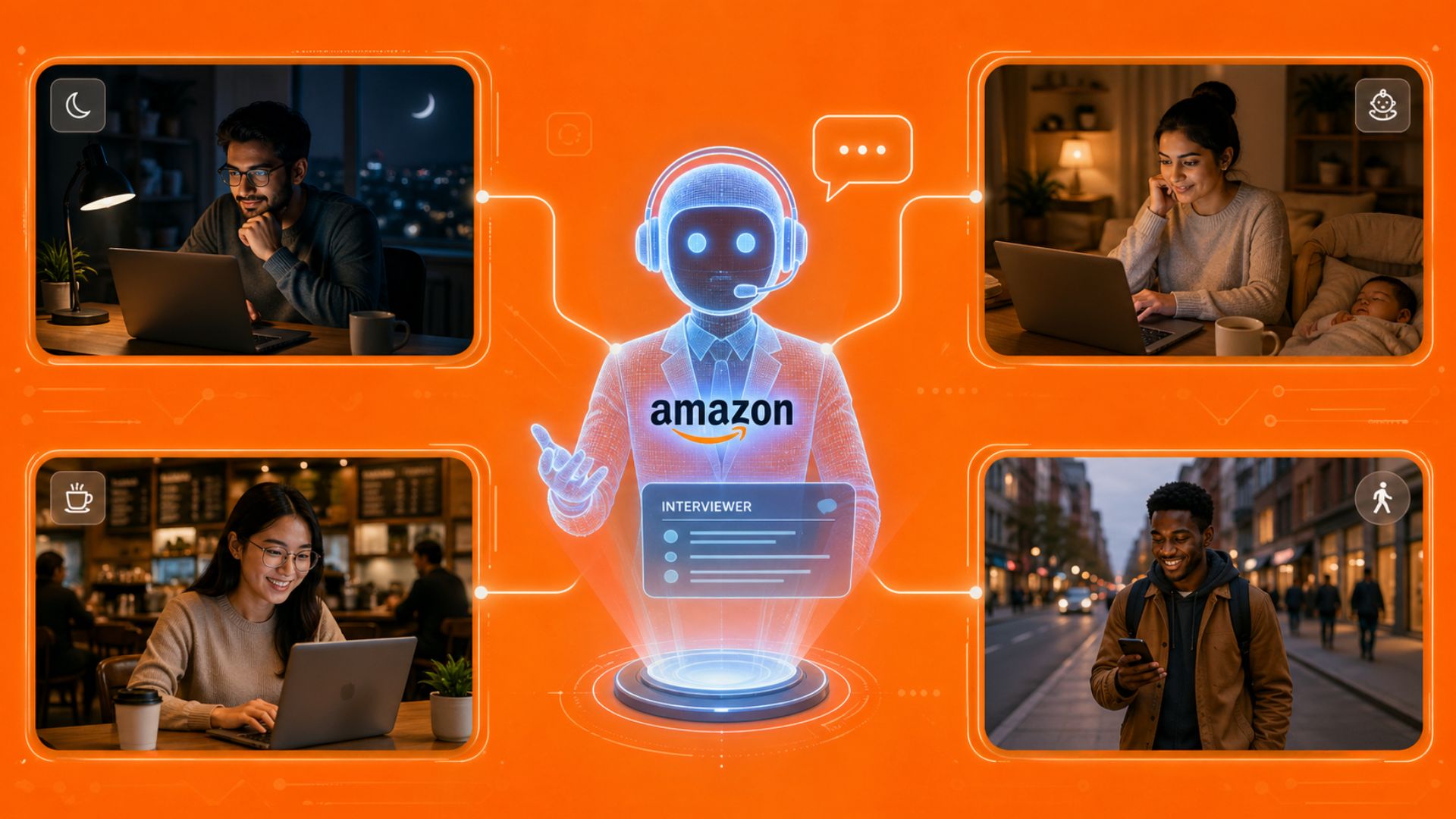
Amazon launches AI Agent Connect Talent for Job Interviews
Amazon has launched Connect Talent, an AI agent that conducts real voice interviews, scores candidates, and helps companies hire without delays.

Anthropic Study Finds Most Workers Use AI Daily, but 69 Percent Hide It at Work
Anthropic research shows most workers rely on AI but stay quiet about it, with 69% reporting social stigma around using AI tools at work.