Satya Nadella Admits Microsoft Needs to Show More Empathy During Layoffs




Microsoft CEO Satya Nadella admitted his company needs to rebuild employee trust during a tense internal meeting Thursday, as workers voiced frustration over massive layoffs and new return-to-office mandates.
"I take it as feedback for me and everyone in the leadership team, because at the end of the day, I think we can do better, and we will do better," Nadella said, according to audio obtained by CNBC.
The admission came after a particularly brutal year for Microsoft employees. The company eliminated 6,000 jobs in July alone, following earlier rounds of cuts. Meanwhile, workers near the Redmond headquarters must now return to the office three days per week starting in February.
Microsoft Grows but Layoffs Continue
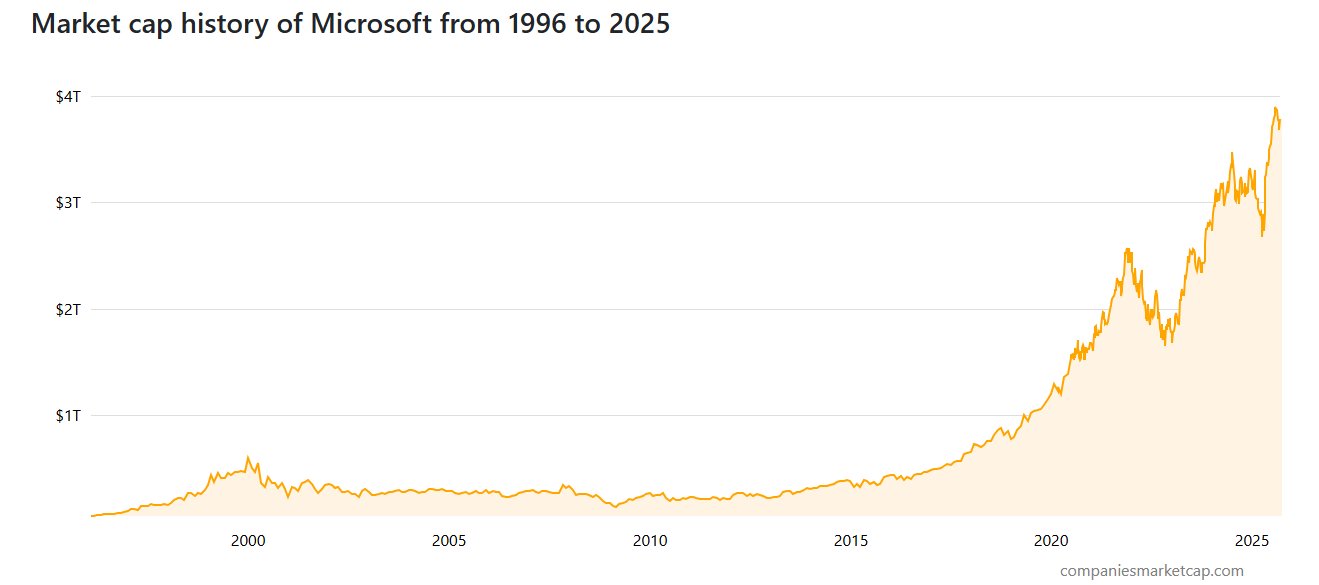
While employees face job cuts and lost flexibility, Microsoft's financial performance has been stellar. The company's stock jumped nearly 20% this year, pushing its market cap to $3.7 trillion - second only to Nvidia among the world's most valuable companies.
July earnings showed Microsoft's profit surge 24% to $27 billion. The Azure cloud business drove growth with 39% revenue increases, while the traditional Windows and devices division managed just 2.5% growth.
But success comes with costs. Microsoft's gross margins have narrowed as the company pours money into AI infrastructure buildouts, and Nadella warned that some of the company's "most profitable businesses may fade."
"Some of the margin that we love today may not be there tomorrow," he told employees. "That means you have to be way ahead of all of those going away."
Return to Office Mandate
Amy Coleman, Microsoft's HR chief, acknowledged the return-to-office policy received "mixed" responses during Thursday's meeting. Many employees feel their autonomy is "slipping away," she admitted.
The data shows workers were already coming back voluntarily. Employees around Seattle averaged 2.4 office visits per week even before the mandate.
Nadella defended the policy, arguing physical presence is crucial for mentorship, especially for interns and early-career staff working in largely remote environments.
"Those are things that just will break a social contract," he said.
Many candidates use AI interview preparation to prepare for questions exactly like these.
Frequently Asked Questions
Why are companies conducting mass layoffs in 2025?
Companies are cutting jobs in 2025 primarily because of AI-driven efficiency gains, post-pandemic overcorrections in hiring, tighter access to capital, and pressure from investors to improve profitability. Many organizations that expanded headcount rapidly between 2020 and 2022 are now rightsizing. In some industries, AI tools are directly replacing roles in customer support, data entry, and basic software development.
What should employees do immediately after being laid off?
File for unemployment benefits right away and review your severance agreement before signing, as some packages can be negotiated. Update your resume and LinkedIn profile within the first week and reach out to your professional network early. Most jobs are found through referrals, so proactive outreach consistently outperforms cold applications. Focus your energy on roles that match your strongest and most current skills.
How long does a typical job search take after a layoff in 2025?
The average job search after a layoff takes two to four months, though this varies by industry, location, and experience level. Senior professionals in specialized fields may face longer timelines due to fewer open roles. Candidates who network actively, apply to targeted lists rather than mass-applying, and prepare thoroughly for interviews consistently reduce their search time compared to those who take a passive approach.
Are there industries that are still hiring during widespread layoffs?
Yes. Healthcare, cybersecurity, AI infrastructure, government contracting, and skilled trades continue to hire actively even during broader economic downturns. Within tech companies conducting layoffs, revenue-generating teams in sales, product engineering, and AI research often continue to grow. Candidates who can demonstrate skills in high-demand areas move faster through hiring pipelines than generalists with broader but less specific experience.
Table of Contents
Related articles

Campbell's Layoffs: Why the Real Number Is Not 1,750
Campbell's layoffs cut 13% of salaried staff, about 515 to 560 roles. Why the 1,750 figure is wrong and what the WARN filings actually show.

LinkedIn Just Cut 5% Jobs Without a Clear Explanation
LinkedIn is laying off 5% of its staff as it restructures teams and scales back some key investments amid an uncertain economic landscape.
AI Expert Warns 99% of Workers Will Lose Jobs by 2030
AI expert who coined "AI safety" warns 99% of workers will be jobless by 2030. Roman Yampolskiy explains why no career is safe from automation.

10 Jobs With Biggest Hiring Drops From 2020 to 2026
Which jobs saw hiring plunge 36% from 2020 to 2026? LinkedIn's report on 1.3 billion professionals reveals the truth about slow hiring and AI's real impact.