Why Jeff Bezos Think AI Will Eventually Cause a Labor Shortage?



AI has triggered fresh fears about job losses worldwide as companies increasingly use AI tools to automate tasks. Many companies are doing massive layoffs in the US, and AI is the reason they most often cite.
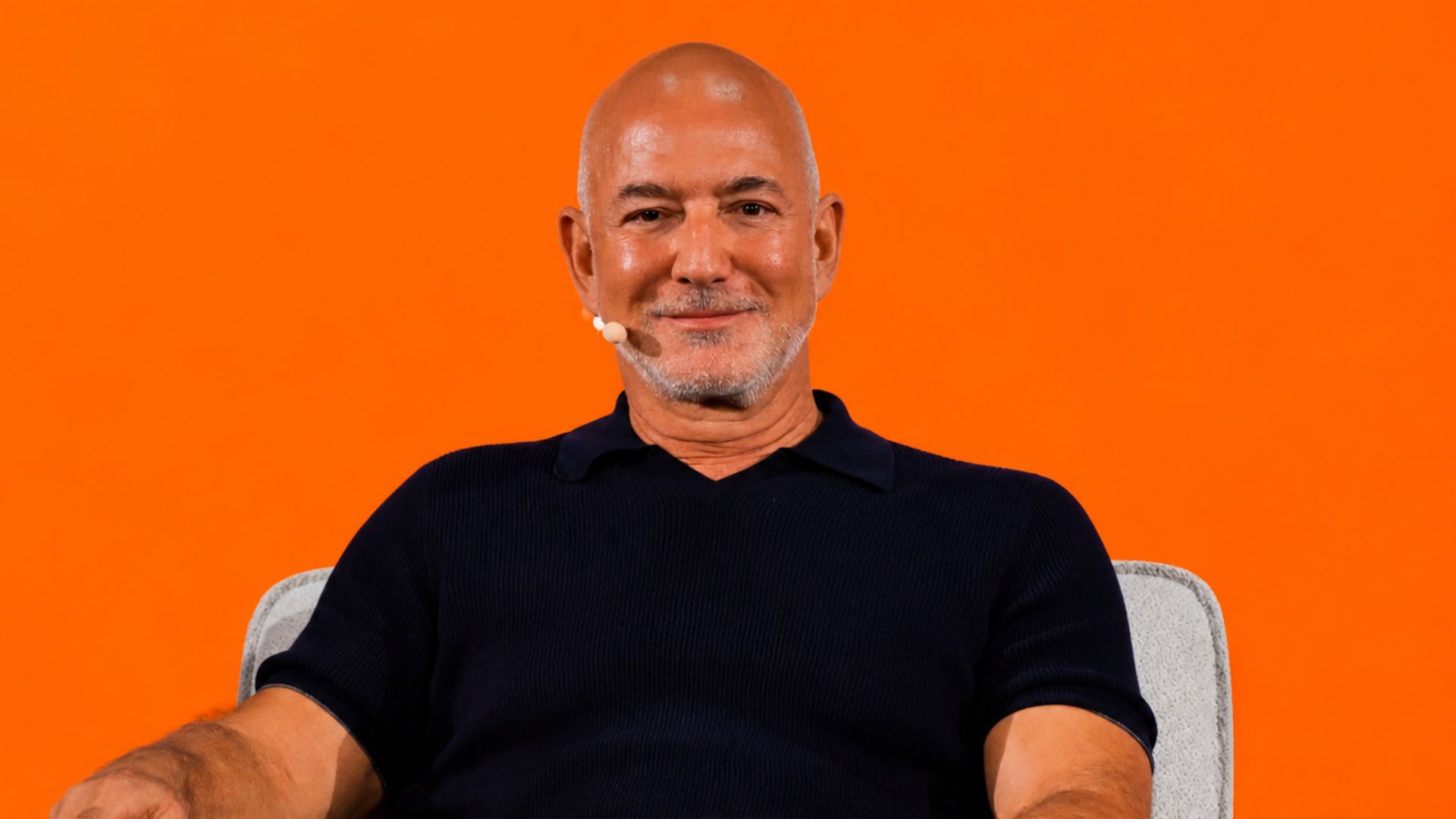
Amazon founder Jeff Bezos believes the long-term impact of AI could be very different from what most people fear.
Jeff Bezos's Optimistic View on AI and Jobs
Speaking at the Viva Technology conference in Paris, Bezos said AI will eventually create labour shortages.
He said:
"I know there's a lot of concern that many people have, including many smart people, that AI is going to make humans redundant and so on. I totally disagree with this point of view, and I think in fact AI is going to create a labor shortage because it's going to make it possible for people to identify more problems."
Bezos believes human beings have an endless number of ideas. Every day, people think of new products and new businesses. The problem is not a lack of imagination. The problem is that turning those ideas into reality is usually difficult and expensive. Most of those ideas never go anywhere.
AI changes that equation:
"And if we can accelerate the dream build loop, all of the ideas will then become possible. And then we end up being limited not by our capabilities but by our imaginations."
According to Bezos, AI can sharply reduce the difficulty of building things. Tasks that once required large teams and technical expertise can now be done much faster and with fewer resources. He gave himself as an example. Although he studied computer science, he says that only three years ago he was a poor programmer by modern standards. Today, with the help of LLMs, he can build an iPhone app in a single afternoon.
People can experiment more, create more products, and start more businesses. Bezos calls this accelerating the "dream build loop." In simple terms, it means shortening the time between having an idea and turning it into a real product. The faster this process becomes, the more inventions society can create.
This is why he believes AI may lead to labour shortages. If millions of people suddenly gain the ability to create products and launch companies much more easily, there could be an explosion of economic activity.
New businesses will still need marketers, salespeople, designers, factory workers, logistics experts, customer service representatives, and many other workers. As more problems are identified and more solutions are developed, demand for labour could rise instead of fall.
The Theory Behind Bezos's Optimism
The debate over AI and jobs remains far from settled. While recent layoffs have put the spotlight on the risks of automation, many economists argue that technological change has historically been a mixed story.
New technologies often eliminate certain roles while creating new opportunities that were previously unimaginable. The speed and scale of AI adoption, however, make predicting its long-term impact especially difficult.
Bezos's view connects to an idea known as Jevons paradox, which suggests that when a technology becomes more efficient and cheaper to use, overall demand for it can actually increase. The classic example comes from coal. In the 19th century, more efficient steam engines reduced the cost of using coal, but instead of lowering coal consumption, industries found more uses for steam power and total coal demand increased.
Bezos is making a similar argument about human labour and innovation. This is essentially a Jevons paradox argument:
- AI increases efficiency
- Cost of creating things falls
- More ideas become economically viable
- More businesses and products are created
- Demand for work expands
However, there is one important difference. Jevons paradox is an observed economic phenomenon, not a guaranteed law. It works only if demand for new products grows enough to outweigh the labour saved by automation. AI may automate jobs faster than new industries can absorb displaced workers.
What This Means for Job Seekers Today
Bezos's long-run optimism is grounded in real economic theory, but it does not help the software engineer, the data analyst, or the operations manager whose role was cut this quarter. The gap between Bezos's vision and today's hiring market is real, and the people living in that gap need practical steps, not reassurance.
If your role has been affected by AI-driven restructuring, the most useful thing you can do right now is sharpen your interview performance before the next opportunity arrives. Hiring managers are still interviewing people, and the candidates who prepare systematically win offers. Final Round AI's Interview Copilot provides real-time guidance during live interviews so you can respond confidently to behavioral and situational questions under pressure. For targeted preparation beforehand, AI Mock Interview runs you through company-specific and role-specific questions drawn from actual interview data.
The irony is worth noting: the same AI that Bezos says will create labour shortages is also the tool that helps displaced workers compete more effectively in today's market.
Bottom Line
Bezos is part of a group of tech leaders who believe AI is a net positive for humanity and employment. But unlike others who simply say this, he is spending tens of billions of dollars to back it up through Prometheus. His vision is that AI handles the tedious, slow parts of engineering, so human engineers can focus on creativity.
Whether that future arrives, and whether it arrives fast enough for the workers losing jobs today, is the real question. History suggests Bezos may be right in the long run. But for the people affected by AI-linked layoffs right now, the long run is cold comfort.
Frequently Asked Questions
What did Jeff Bezos say about AI and labor shortage?
At the Viva Technology conference in Paris, Jeff Bezos said he believes AI will create a labor shortage rather than eliminate jobs. His argument is that AI makes it easier and cheaper to turn ideas into real products and businesses, which will expand economic activity and increase demand for workers across every function.
Will AI cause a labor shortage?
Jeff Bezos argues it will, using the logic of Jevons paradox: when building things becomes cheaper, more things get built, and more workers are needed to run them. Not everyone agrees. Critics point out that AI may eliminate jobs faster than new industries can absorb displaced workers, particularly in roles that involve routine information processing.
How does AI affect job seekers right now?
In the short term, AI has contributed to layoffs across tech, media, and financial services as companies restructure and automate tasks. Job seekers in affected fields are facing more competition per open role. Preparing thoroughly for interviews, including using AI-powered practice tools, has become a practical way to stand out. AI Mock Interview helps candidates prepare with questions drawn from real interview data.
What jobs will AI replace?
AI is most likely to replace roles involving repetitive information processing: data entry, basic content moderation, lower-tier customer support, and some categories of legal research and financial analysis. Roles that involve physical judgment, complex relationship management, creative direction, and cross-functional leadership are less exposed in the near term. The World Economic Forum has estimated that AI will displace around 85 million jobs globally while creating 97 million new ones by 2025, though the transition will not be evenly distributed.
Candidates who use AI interview coaching to practice before the real interview typically feel more prepared and confident going in.
Related Interview Guides
- How to Land a Tech Job After a Layoff - A step-by-step guide for job seekers re-entering the market after a workforce reduction.
- How to Stay Motivated During a Long Tech Job Search - Practical strategies to keep momentum when the search takes longer than expected.
- How Long Does a Job Search Take - Real timelines from offer data so you know what to expect.
- Is AI Replacing Jobs - What the data says about which roles are most at risk and which are growing.
Table of Contents
Related articles
Why Mastercard Is Cutting 4% of Its Global Workforce?
Mastercard will cut 4% of its global workforce as part of a strategic review, even as the company reports strong profits.

AI Jobs Australia: Roles, Salaries, and How to Get Hired
AI jobs in Australia are growing fast in 2026. This guide covers ML Engineer and Data Scientist salaries in AUD, top employers including CSIRO, Atlassian, Canva, and Defence AI contractors, and how to get hired in the Australian AI market.

ANZ Announces 3500 Layoffs, “I hate to do this” New CEO Claims
New CEO Nuno Matos cuts 8% of workforce in $560 million restructuring after email scandal exposed layoffs early. Finance union calls moves "chaotic" as bank admits to years of operational bloat.
Visa Layoffs: 2,600 Cuts as Revenue Grew 14%
Visa layoffs hit 2,600 roles as revenue grew 14%. What the WARN filings show about who was cut, the 62-day notice, and how to explain it in interviews.

Bill Gates: Which Jobs Are AI-Resistant — and Which White-Collar Roles Are at Risk
Bill Gates says white-collar and blue-collar jobs face major AI disruption within 4-5 years. Learn which jobs Bill Gates identifies as AI-resistant and which roles are most at risk.
GitHub CEO Thomas Dohmke Warns Developers: "Either Embrace AI or Get Out of This Career"
GitHub CEO warns developers to embrace AI or quit, he said on X, referencing new research. The study reveals how AI is reshaping developer roles and workflows.